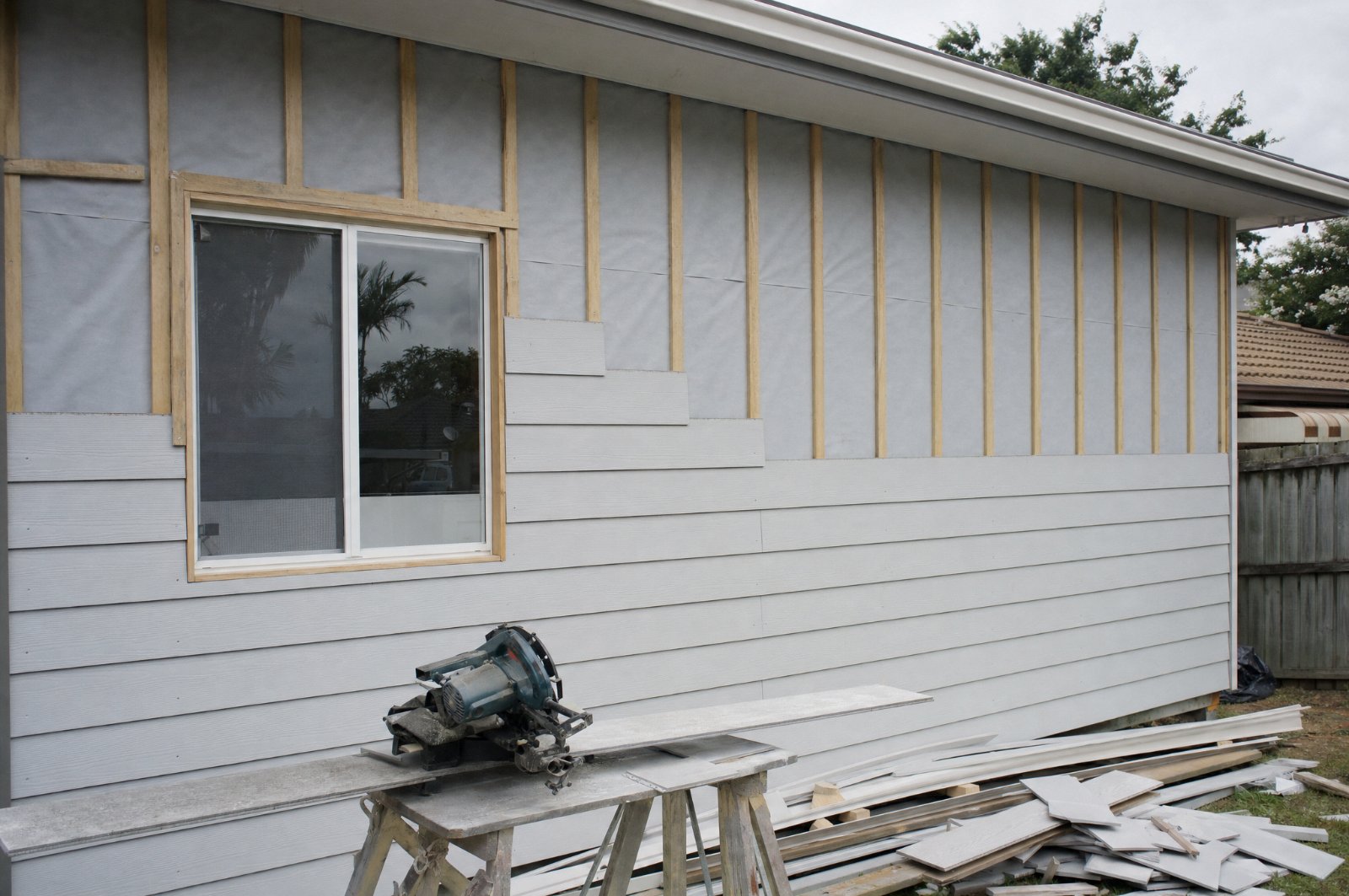
Cladding Cost Sydney: What You Are Actually Paying For
Three quotes for the same cladding job can land thousands of dollars apart, and none of them explain why. One is a single line with a number at the bottom. One lists materials but nothing about what happens to the wall underneath. One is higher than both and is the only one that mentions the rotten sill nobody else looked at.
Most of what you pay for in a cladding job is not the boards. It is the labour to take the old exterior off, deal with whatever is behind it, set out the new work so the lines are straight, and detail the edges so water goes where it should. The material is the part everyone quotes on. The rest is where the money actually goes, and it is the part that separates a cladding cost Sydney homeowners can compare from a number pulled out of the air.
This guide explains what drives the price, what a real quote should itemise, and where cladding budgets go wrong. It does not quote a rate per square metre, because any figure that does not account for the condition of your wall is a guess wearing a suit.
Why Cladding Quotes Vary So Much Across Sydney
Two houses on the same street can produce very different numbers. A 1960s brick veneer with a straight rear elevation and easy side access is a different job from a Federation weatherboard with a bullnose verandah, three window types and a neighbour’s fence 600mm off the wall.
The variables that move the price most are not visible in a photo. They are the condition of the framing, how many corners and openings the wall has, and whether a scaffold is needed. A cladder who quotes without walking the site is pricing an average house, not yours.
Cladding Cost Sydney: The Main Cost Drivers
1. The cladding material
Material sets the floor of the budget, but it is rarely the biggest line. Weatherboard, fibre cement sheet and modern external lining products all behave differently on site. Some come pre-finished and some need painting after install. Some are heavy enough to change the fixing method. A cheaper board that needs a full paint system on site is not always the cheaper job by the time it is finished.
2. What is behind the existing wall
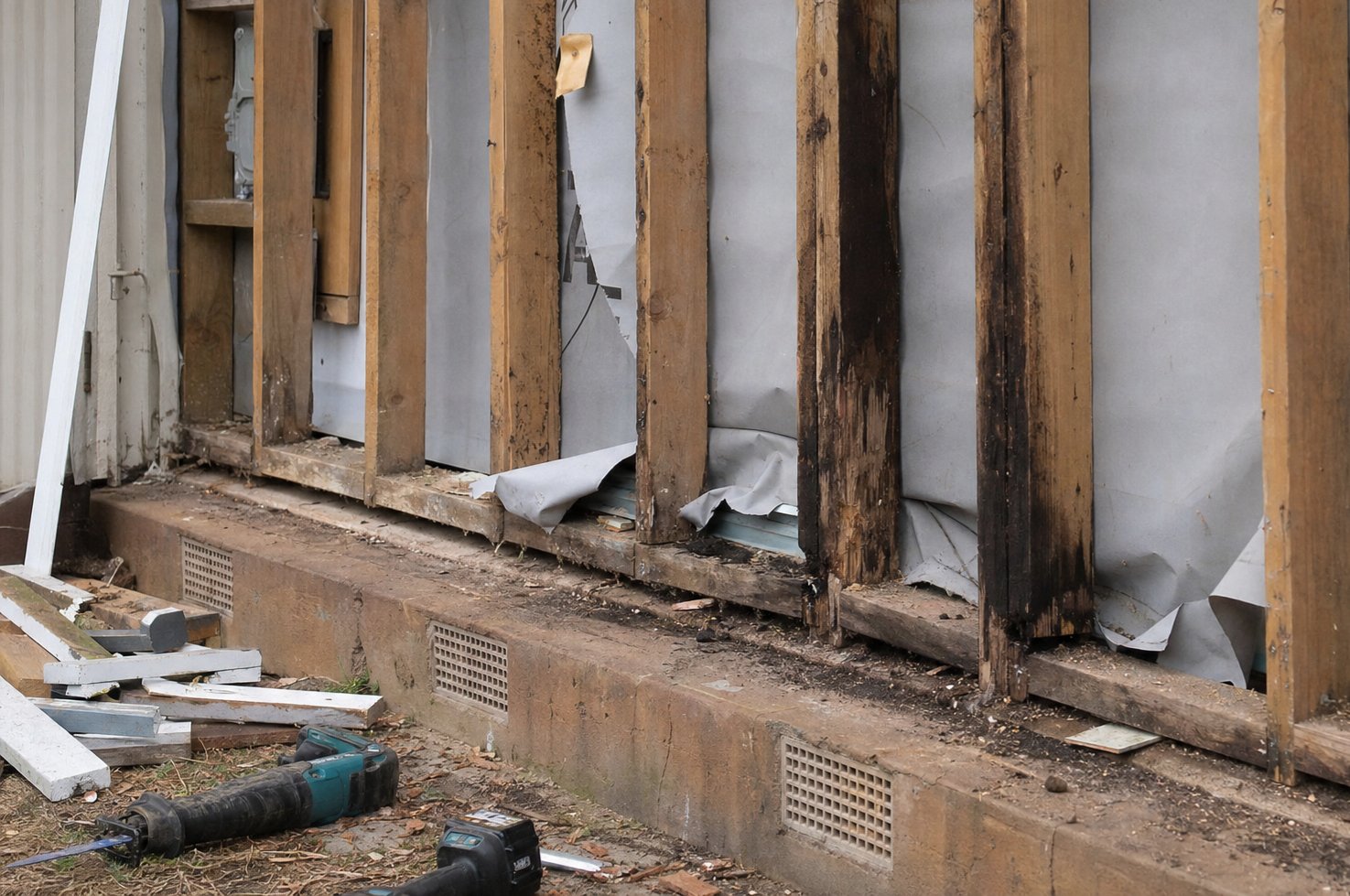
This is the single largest source of variation, and it cannot be priced until the old cladding comes off. On older Sydney homes it is common to find framing that has taken water for years around windows, at the base of walls and under leaking gutters. Damaged framing has to be replaced before anything new goes on. Covering it is cheaper on the day and expensive within five years.
A quote that makes no mention of what happens if the framing is damaged is not a complete quote. It is a quote with a variation waiting inside it.
3. The number of openings and corners
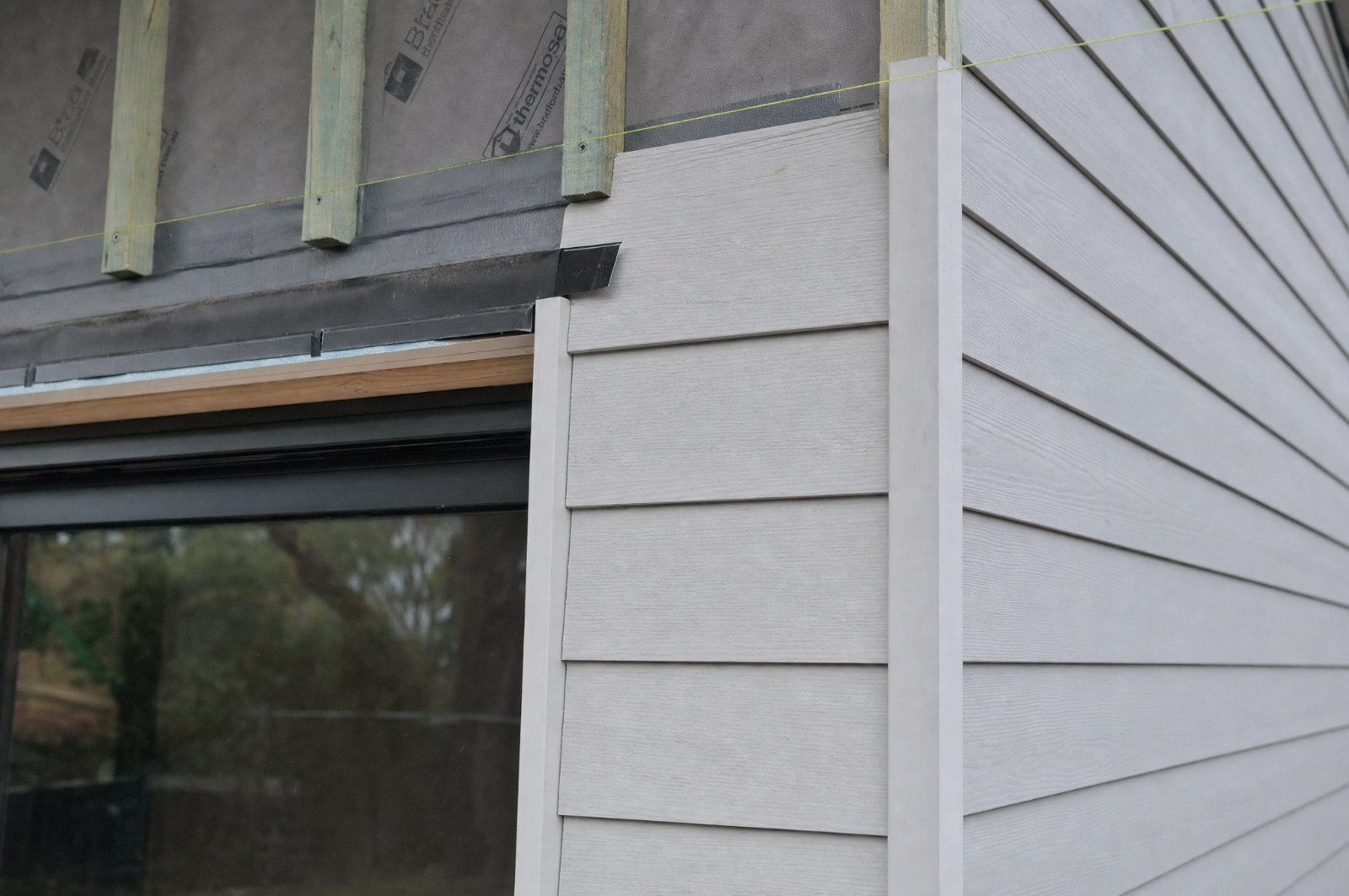
Flat, uninterrupted wall is the fastest cladding to install. Every window, door, external corner and junction adds set-out time, trims, reveals and flashing detail. A wall with five windows takes considerably longer than the same area of blank wall, and most of the skill in the job is concentrated at those edges. Cladding failures almost always start at an opening, not in the middle of a sheet.
4. Height and access
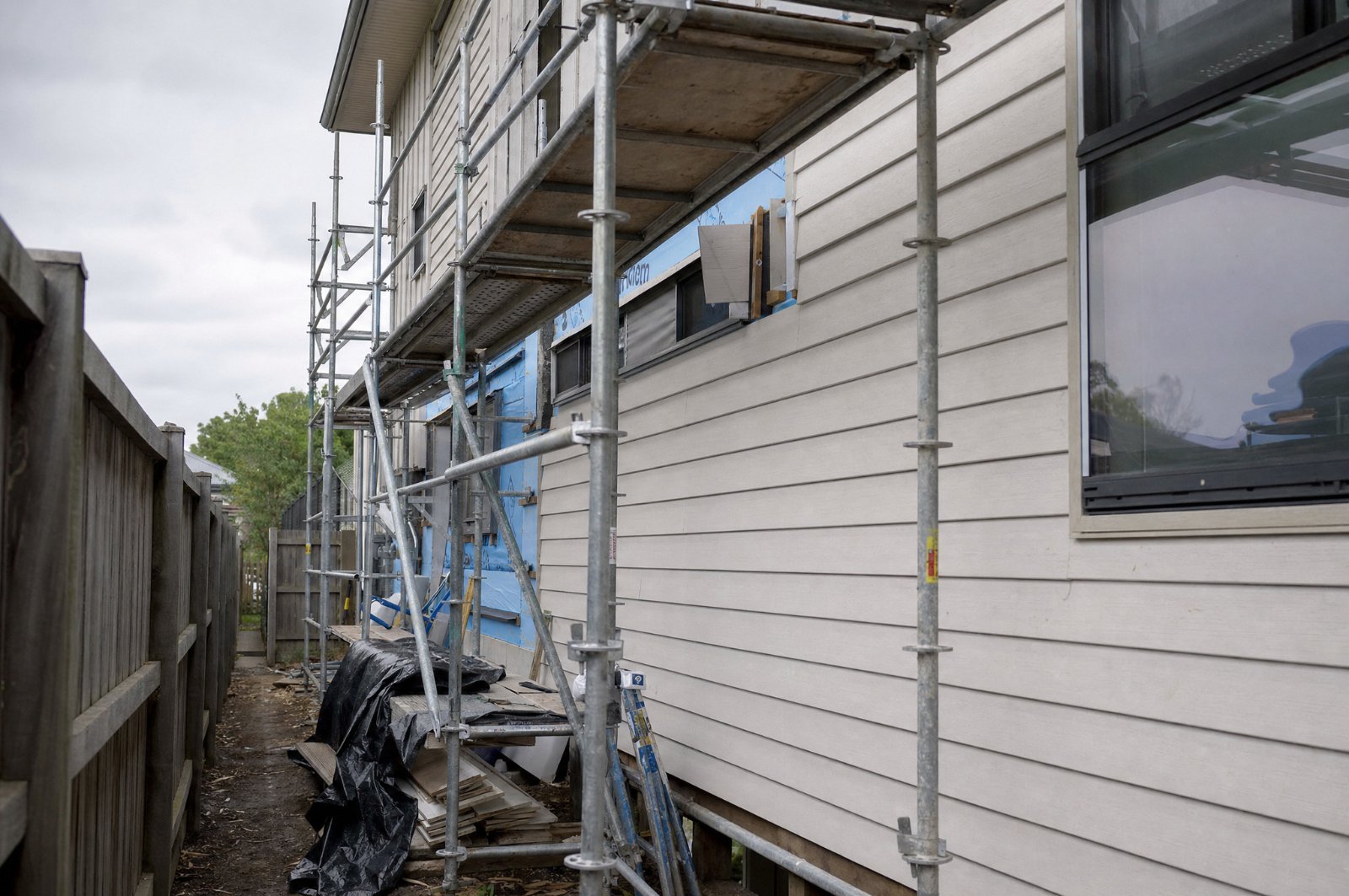
Single storey work at ground level with a clear side path is the cheapest scenario. A second storey, a steep block, a narrow side setback or a wall above a roof line means scaffold, and scaffold is a real cost with its own hire period. If the quote does not say who is providing access equipment and for how long, that is worth asking about before you sign.
5. Removing and disposing of the old cladding
Stripping an existing exterior takes time, and the waste has to go somewhere. Disposal costs money and the volume is larger than people expect. On homes built before the 1990s there is also the question of what the existing sheeting is. Older fibre cement products may contain asbestos, and if they do, removal is a licensed process handled by a specialist, not a carpentry line item. That changes both the cost and the sequence of the job, so it is worth establishing early rather than on the morning the strip-out starts.
6. The finish
Pre-finished boards arrive with their colour on them and need no painting. Raw boards need a paint or oil system, usually including a primed back face and sealed cut ends, and that is a separate trade with its own cost. Neither approach is wrong. What matters is knowing which one your quote assumes, because a quote that excludes painting reads cheaper than one that includes it while describing the same finished wall.
Cladding Materials Compared
The three groups most Sydney homeowners choose between behave differently in both cost and maintenance.
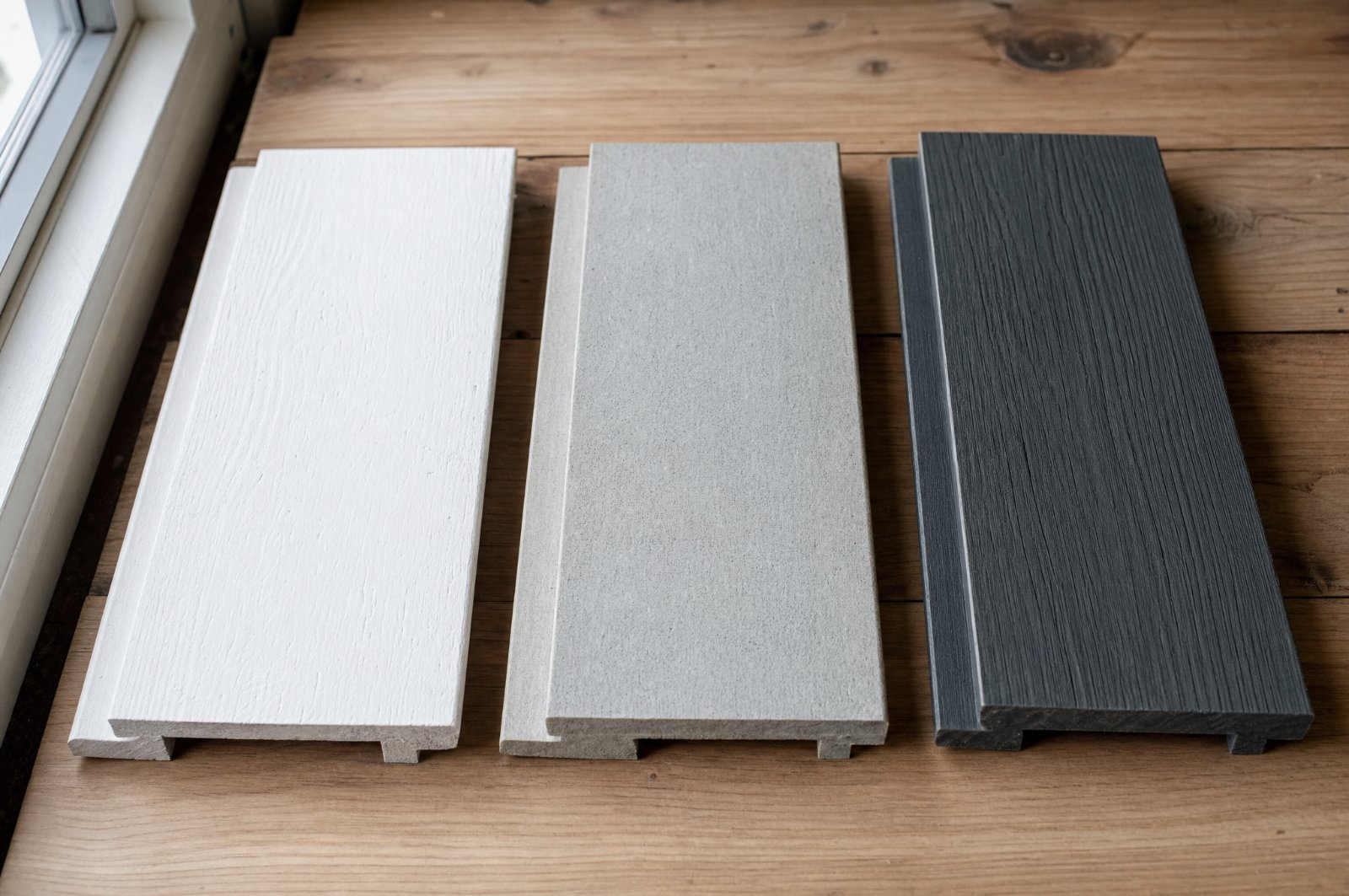
- Timber weatherboard. The traditional look on Federation and Californian bungalow homes, and the right choice where the street has a consistent character or a heritage control applies. Timber moves, so it needs a maintained paint system and periodic attention. Beautiful, and not a set-and-forget exterior.
- Fibre cement. Stable, widely used, available in weatherboard profiles and flat sheet, and generally lower maintenance than timber. Heavier to handle and requires specific cutting and fixing practice. Suits renovations and extensions where the finish needs to match a painted exterior.
- Modern external lining and composite products. A broad group that includes pre-finished and engineered boards. Often faster to install and available in finishes that need no on-site painting, which can offset a higher material price. Detailing at corners and openings is product specific, so the install has to follow that manufacturer’s system rather than general practice.
| Material | Typical use | Maintenance | What drives its cost |
|---|---|---|---|
| Timber weatherboard | Federation and Californian bungalow homes, heritage and conservation areas | Paint system needs maintaining, timber moves | Board grade, on-site painting, extra care at cut ends |
| Fibre cement | Renovations and extensions with a painted finish | Lower than timber, stable | Heavier handling, specific cutting and fixing practice, painting |
| Pre-finished and composite | Contemporary exteriors, faster programmes | Generally lowest, no site painting | Higher material price, product-specific corner and opening details |
There is no single best material. There is the material that suits the property, the exposure, the budget and how much maintenance you are realistically going to do.
What a Proper Cladding Quote Should Itemise
Ask for these in writing. A quote that covers them is comparable to another quote that covers them. A quote that does not is a number without a scope.
- The exact product, including profile, width and finish, not just the word “cladding”.
- Which walls and how much of them, with measurements, so you can check two quotes are pricing the same area.
- Removal and disposal, stated as included or excluded, with an allowance if included.
- What happens if damaged framing is found, and how repairs will be priced and approved before the work is done.
- Battens, cavity and flashing detail, because how the wall breathes and sheds water is a structural decision, not a finish.
- Trims and reveals at windows, doors and corners, itemised rather than assumed.
- Access equipment, including scaffold hire and duration.
- Painting, included or excluded, and by whom.
- Timeframe and payment stages, so the cash flow is agreed before the first board is lifted.
Where Cladding Budgets Blow Out
In our experience the overruns come from the same handful of places.
The first is framing found in worse condition than expected. This is not really an overrun, it is work that was always necessary and was not visible at quoting stage. The way to manage it is a quote that already says how those repairs will be priced.
The second is changing the product after the job starts. Once battens are set out for one board width, switching to another is not a free decision.
The third is scaffold sitting on site longer than planned because another trade has not finished. Access hire runs on a clock regardless of who is holding things up.
The fourth is the painting nobody costed, because the quote said cladding and the homeowner assumed that meant a finished wall.
How to Control Your Cladding Budget
There are four levers that make a real difference, and none of them involve cutting corners on the wall.
- Do one elevation at a time. The street-facing wall changes how the house reads for the least money. The side nobody sees can wait a year.
- Keep the openings where they are. Changing a window size during a re-clad turns a cladding job into a structural one, with a lintel and an engineer attached.
- Book the strip-out before ordering material. Once the wall is open you know what the framing repair actually is, and you order to the real scope instead of a guess.
- Choose the product for the maintenance you will actually do. A pre-finished board costs more on the invoice and nothing on the weekends.
The one lever that does not work is compressing the programme. Once scaffold is up it runs on a clock, and rushing the detailing at the openings is exactly where the money comes back out in five years.
Living Through the Re-clad
Worth knowing before it starts, because most of the complaints we hear are about surprises rather than about the work.
The noisiest and dustiest part is the strip-out, and it is usually over in the first days. Scaffold changes how you get to the front door, how much light comes into the rooms on that side, and where the cars go. Windows may be taped or partly covered while flashings are redone, and weather stops work, so an exposed wall gets temporarily wrapped rather than left open. If you have pets, or a side gate that matters, say so at the start rather than on day one.
Approvals and Compliance in NSW
Most straightforward re-cladding of a detached house is treated as maintenance or minor building work, but the answer depends on the property rather than the job. Three things change it: a heritage listing or a heritage conservation area, a strata or company title property, and any work that alters the structure rather than the finish.
If your home is in a conservation area, the material and profile may be controlled, and that is a conversation with council before you choose a product, not after. If the property is strata, the external wall is usually common property and the owners corporation has to approve the work. You can check what applies through the NSW Planning Portal and your local council.
Apartment buildings with combustible cladding sit under a separate remediation framework with its own process and specialists. That is not the kind of work covered here, and if it applies to your building the owners corporation should be getting advice built for it.
Whichever way it goes, check the contractor’s licence before you engage anyone. NSW carpentry and building work is licensed, and you can verify a licence through NSW Fair Trading.
How to Keep the Cladding Cost Sydney Quotes Comparable
Give every builder the same brief. Nominate the product, the walls, whether painting is included and whether removal of the existing exterior is in scope. Most of the confusion in comparing cladding quotes comes from three trades pricing three different jobs because nobody defined the job.
Then read the exclusions. The exclusions page tells you more about what a quote actually covers than the inclusions do.
Cladding Cost Sydney: The Honest Takeaway
Cladding is one of the few renovations that changes a house completely from the street, and it is also one where the important work disappears behind the finish. The boards are the visible part. The framing repair, the flashing at every opening, the set-out that keeps the lines straight across a 12 metre wall, none of that shows in a photo and all of it decides whether the wall is still sound in fifteen years.
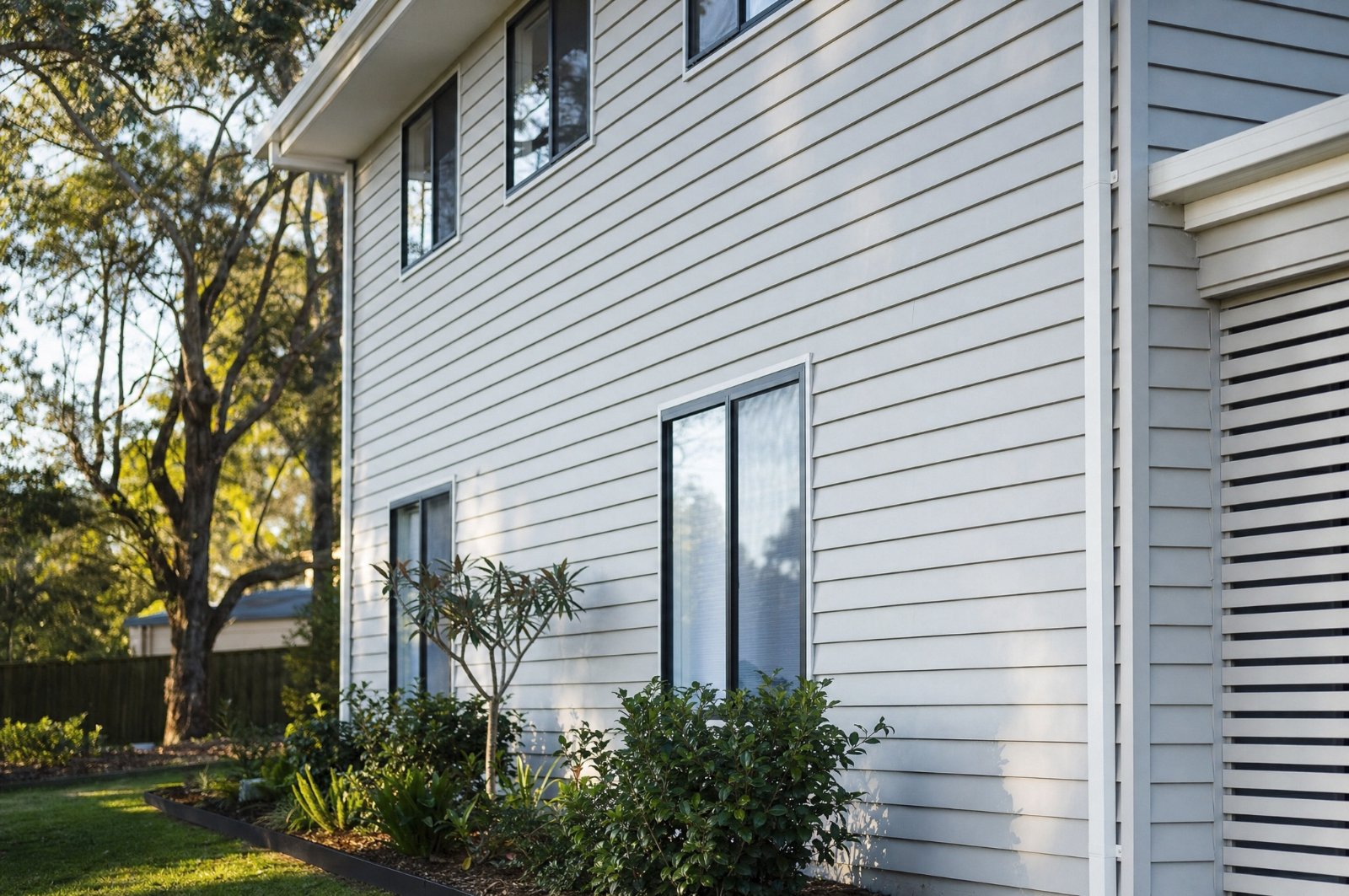
So the useful question is not what cladding costs per square metre. It is what this wall, on this house, needs before the new exterior goes on, and whether the quote in front of you has accounted for it.
Why Choose PROBUILDING AND CARPENTRY?
- Licensed NSW carpenter, licence 458148C
- Owner-led by Hamzah Elfoul, with more than eight years of hands-on experience
- Strong focus on accurate set-out, durable framing and neat finishing at the openings
- Quotes built on the actual scope, with framing repairs priced and approved before the work is done
- Local service across Peakhurst, St George, Georges River, the Inner West, Bayside, Sutherland Shire and greater Sydney
Frequently Asked Questions
How much does cladding cost in Sydney?
It depends on the material, the area of wall, the number of windows and corners, whether the existing exterior has to be removed, what condition the framing behind it is in, and whether scaffold is required. A figure quoted without a site visit is an average, not a price for your house. We look at the wall, then quote the actual scope.
Do I need council approval to re-clad my house?
Often not for straightforward work on a detached house, but it depends on the property. Heritage listings, conservation areas and strata properties all change the answer, and structural alterations are treated differently from replacing a finish. Check with your council or the NSW Planning Portal before ordering material.
Can you clad over the existing cladding?
Sometimes, but it is rarely the right call on an older home. Covering an existing exterior hides the condition of what is behind it, adds thickness at every window and door reveal, and can create problems at the eaves and the base of the wall. Removing the old exterior costs more on the day and usually costs less over the life of the wall.
What is behind cladding and why does it matter?
Framing, and depending on the build, a sarking or wrap and a batten cavity. It matters because that framing is what the house stands up with. If water has been getting in around a window or at the base of a wall, that damage is only visible once the old exterior comes off, and it has to be repaired before new cladding goes on.
How long does a re-clad take?
It varies with the size of the wall, the number of openings, access and the weather. The strip-out and any framing repair are the least predictable parts. A single elevation on a single storey home is a different timeframe from a full exterior with scaffold, and any builder should give you a range with the assumptions attached.
Is timber or fibre cement better for a Sydney home?
Neither is better in general. Timber suits heritage and character homes and where the street has a consistent look, and it needs its paint system maintained. Fibre cement is more stable and lower maintenance and suits renovations and extensions with a painted finish. The right answer comes from the property, its exposure and how much upkeep you want.
Does cladding need to be painted?
Some products arrive pre-finished and need no painting. Raw timber and unfinished fibre cement need a proper paint or oil system, including sealed cut ends. Always confirm whether painting is inside or outside the quote, because that one line can account for a large part of the gap between two prices.
Do you work with builders on cladding, or only direct with homeowners?
Both. We regularly work as the carpentry trade within a larger renovation or extension, coordinating with builders, renderers and painters, and we also work direct with homeowners on standalone exterior upgrades and repairs.
Get a Cladding Quote in Sydney
Probuilding & Carpentry is owner-led by Hamzah Elfoul, a licensed NSW carpenter, licence 458148C, with more than eight years of hands-on experience. We are based around Peakhurst and work across St George, Georges River, the Inner West, Bayside, Sutherland Shire and greater Sydney.
If you are weighing up a re-clad, the useful next step is someone looking at the wall. We will tell you what we can see, what we cannot see until the old exterior comes off, and how we would price it either way. See our cladding installation Sydney page for what the work covers, or read our guides to pergola cost in Sydney and deck cost in Sydney if you are pricing outdoor work at the same time.
about
PROBUILDING & CARPENTRY
Building Craftsmanship. Building Trust. Building Tomorrow
Let’s Build Something Exceptional
